Food & Beverage
Odoo ERP solution for producers, distributors
and vendors
They trust us

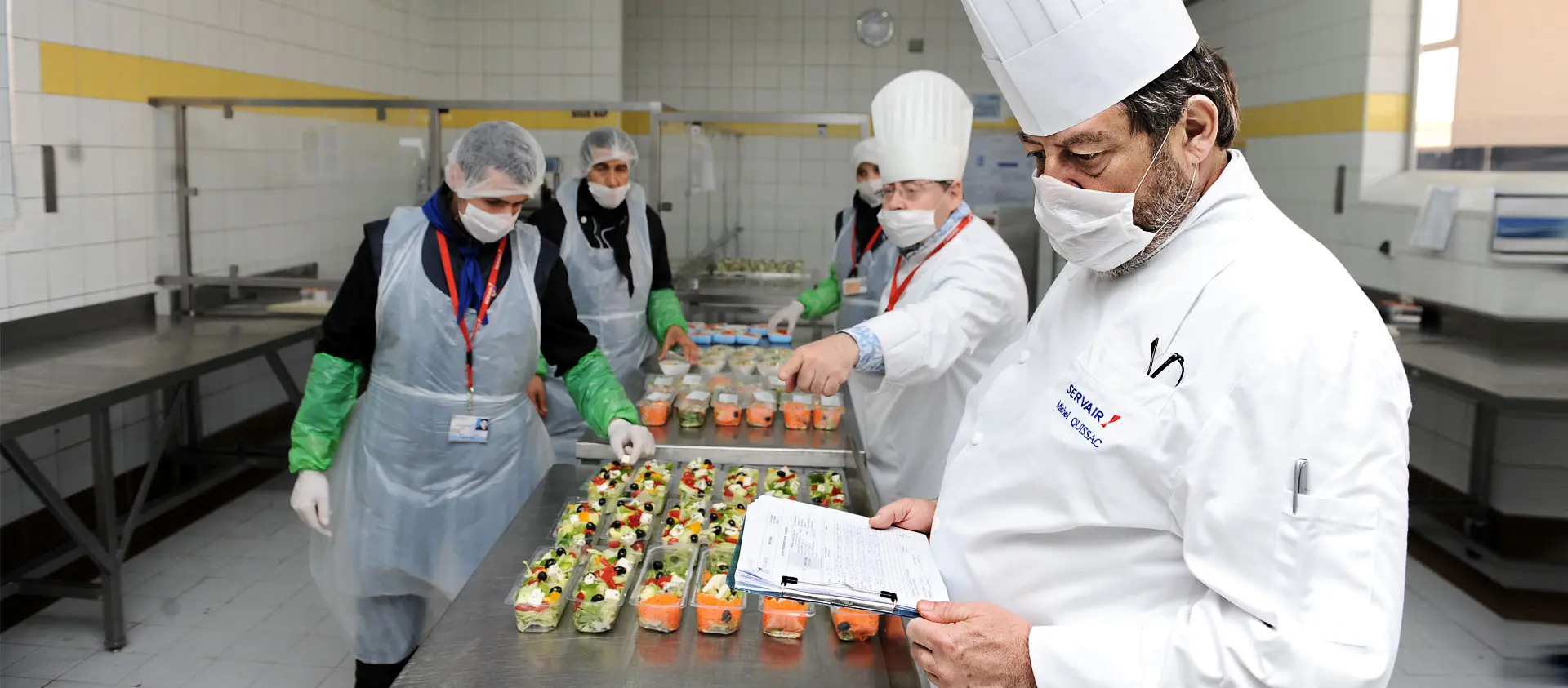
Traceability, production planning, inventory control in one platform
Eezee helps food manufacturers, brands and distributors move away from fragmented tools and manual work, by building a coherent Odoo setup designed around real business workflows with a strong focus on user adoption, operational reliability and long-term scalability.
Interested in seeing how Odoo can support your food operations?
Tell us about your projectFood brands already running on Odoo with Eezee
Corica
3 shops unified in Odoo, 1,500 kg/month production tracked, and 36 active B2B subscriptions.
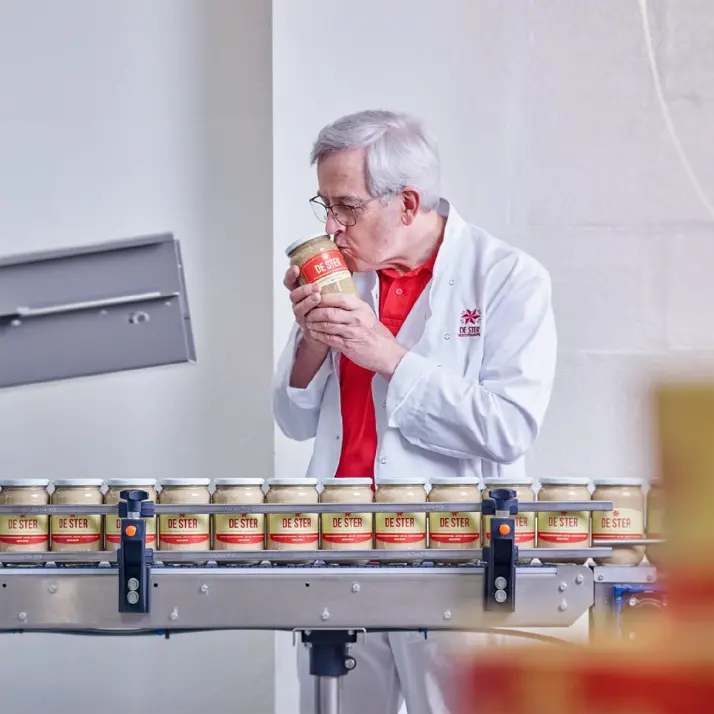
De Ster
Lot traceability implemented across inventory and sales, with a streamlined order-to-invoice process for B2B operations.
Woodster
Manufacturing and inventory structured for artisanal coffee roasting, with stock and production flows managed in one system.
Madmum Coffee Roasters
Product catalog, inventory management and production planning consolidated to support rapid growth.
Interested in discussing your food operations and priorities?
Book a call with François
What are the key challenges in food & beverage operations?
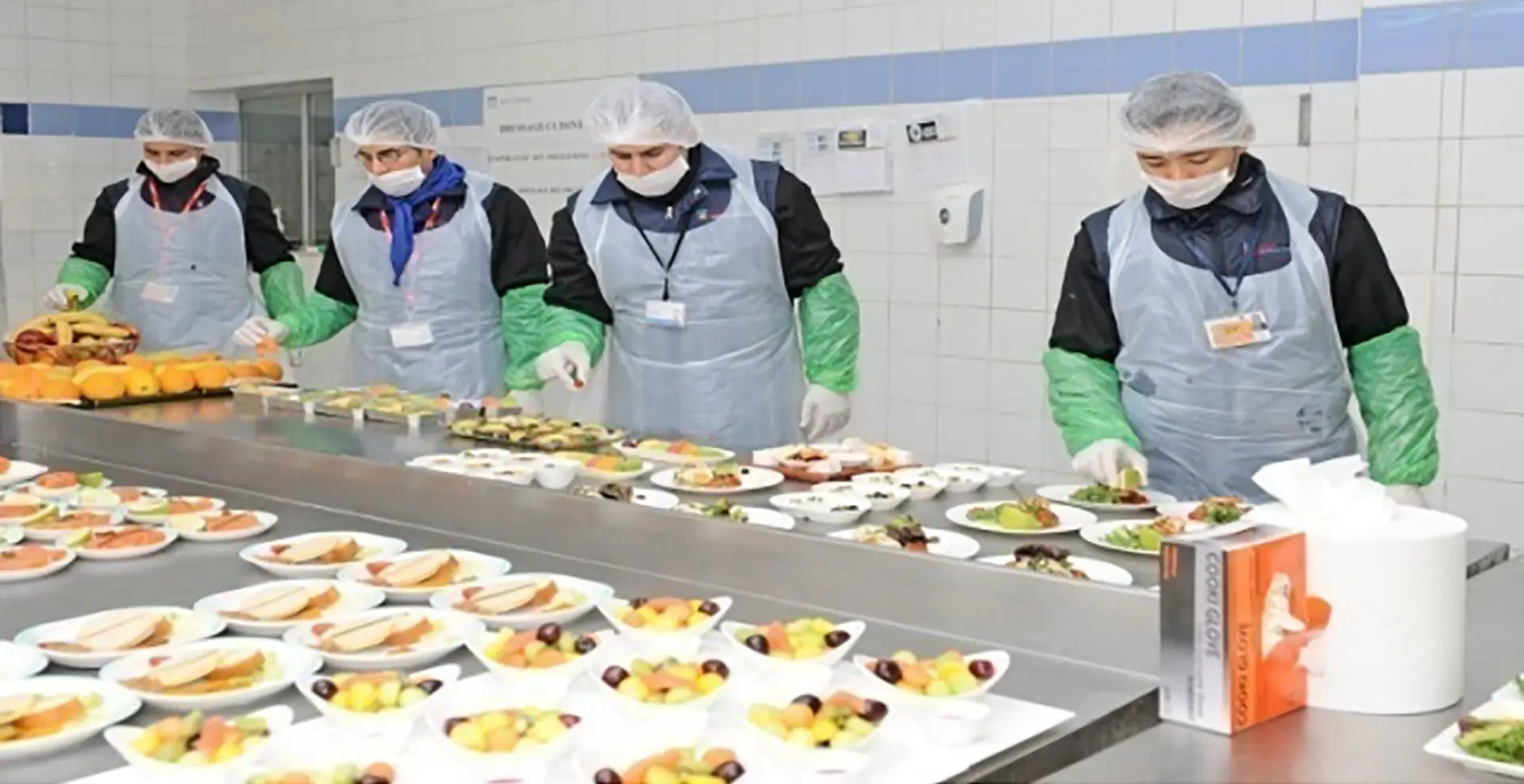
Food businesses operate under constant pressure: safety requirements, batch constraints, short shelf life, rising costs and growing complexity across production and distribution.
Eezee helps food producers and distributors build reliable Odoo foundations to regain clarity, control and operational consistency.
1Food safety and end-to-end traceability
In the food industry, traceability is not optional. Odoo enables full tracking of lots and product movements, from raw materials to finished goods and customer deliveries.
- Clear batch genealogy and recall readiness
- Reliable expiry date management
- Better quality control across the supply chain
- Confidence in audits and compliance processes
2Reducing waste and overproduction
With structured planning and real-time inventory visibility, Odoo helps align manufacturing with actual demand.
- Better anticipation of replenishment needs
- Reduced production losses and write-offs
- More efficient use of raw materials
- Improved operational decision-making
3Inventory accuracy across warehouses and sales channels
Food companies often juggle multiple sites, warehouses, shops and B2B customers. Without a unified system, stock quickly becomes unreliable and teams lose time reconciling data.
- Real-time inventory visibility across locations
- Consistent replenishment and procurement workflows
- Better coordination between production and sales
- A single source of truth for day-to-day operations
4Streamlined B2B distribution and order workflows
Distributors need operational efficiency, not administrative overload. Odoo structures the full order flow, from quotation to delivery and invoicing, even with customer-specific routines.
- Faster order processing and fewer manual steps
- Reliable picking, deliveries and dispatch operations
- Customer-specific pricing and recurring order patterns
- Clear visibility across the full order-to-cash cycle
5Scaling operations without losing control
Growth in the food industry often comes with new products, new channels and new locations. Eezee ensures your Odoo setup remains scalable, adopted by teams and aligned with real business workflows over time.
- Structured foundations that support growth without rework
- Easier rollout to new sites, warehouses or sales channels
- Stronger user adoption through training and governance
- Long-term evolutive support as operations mature

Odoo implementation partner for the food industry
Food projects require more than an ERP deployment. They demand operational clarity, strong adoption and reliable execution across production, inventory and distribution. Eezee supports food producers and distributors with a pragmatic, process-first approach, designed for long-term scalability.
Corica testimonials
Corica explains why aligning production, inventory and sales channels required a trusted partner and how Eezee supported the project through operational guidance, challenge and long-term collaboration.
Why Corica chose Eezee
Why a partner matters
Longterm collaboration
Woodster testimonial
Discover how Woodster structured its production and inventory with Odoo.
Behind this transition lies a simple objective: preserve craftsmanship while gaining operational clarity and room to grow.
→ View the Woodster case study
Insights for food operation teams
Explore practical articles on traceability, planning and omnichannel execution in the food industry.
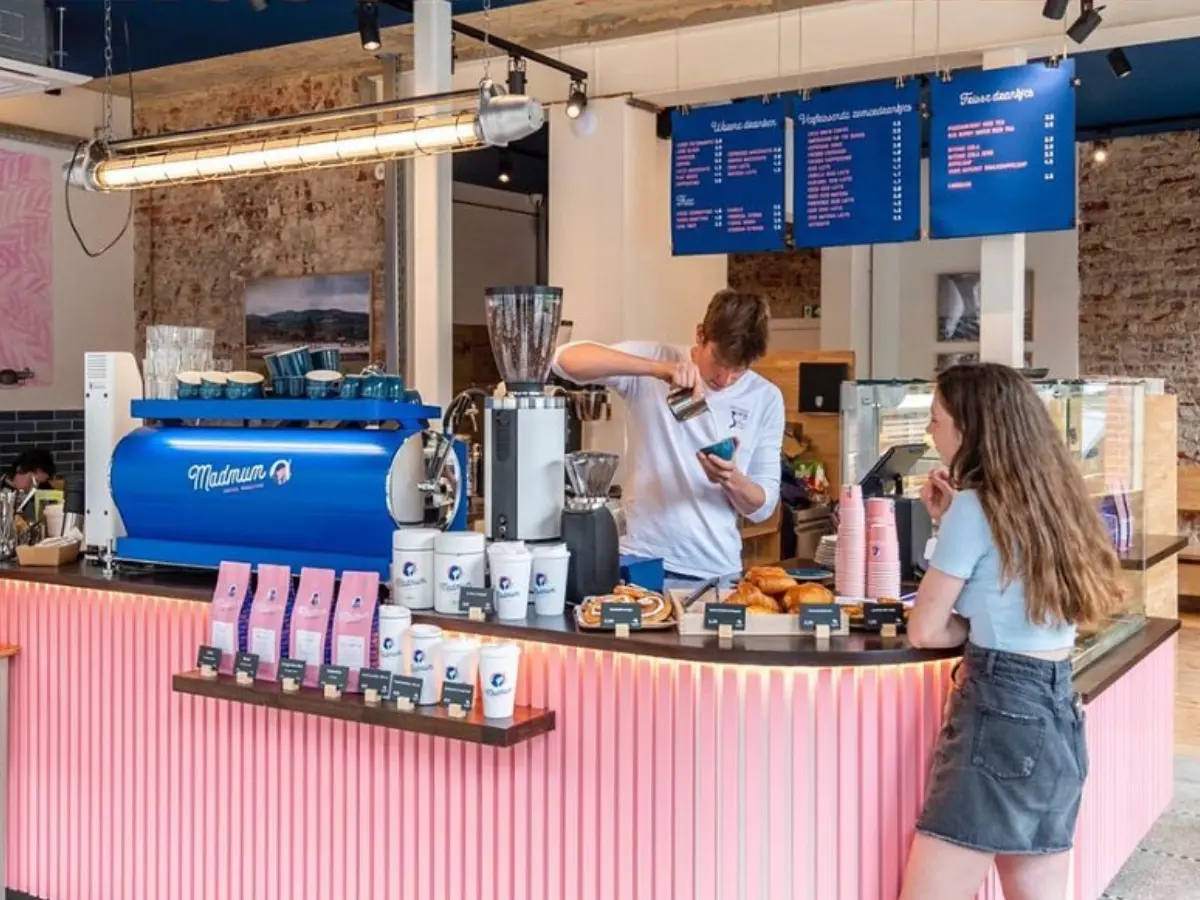
How coffee and beverage brands adopt the multichannel model to strengthen their identity
How food & beverage brands unify retail, B2B and production flows.
Building reliable traceability in the food industry with Odoo
Lot tracking, recalls and batch control in practice.
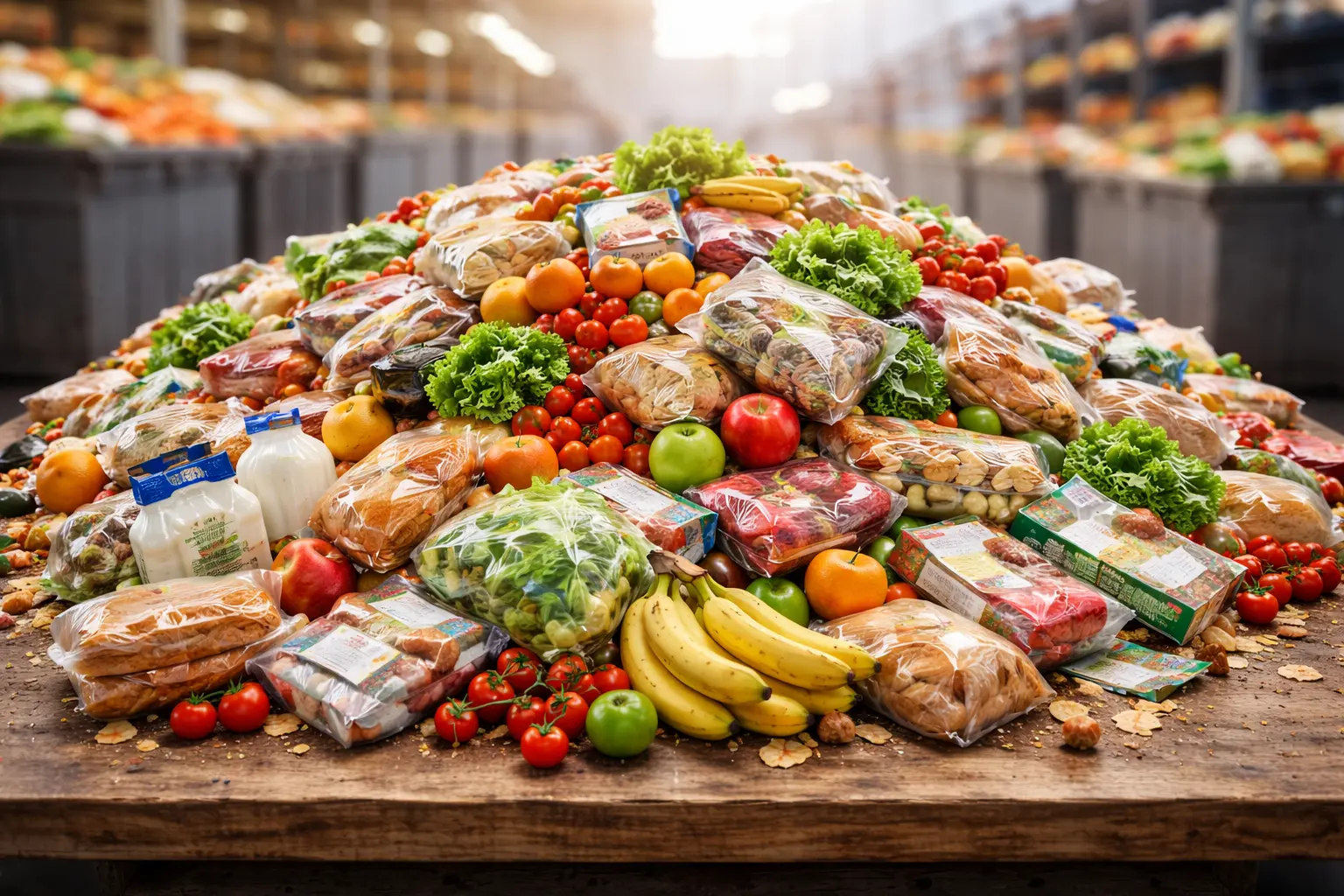
Reducing overproduction with demand-driven planning
How to improve forecasting and minimize waste with Odoo.
Meet our experts
Let’s book an initial conversation to explore your requirements, followed by a tailored product demo with one of our specialists.

Food ERP FAQ
Yes. Odoo can track lots (and serial numbers when needed) across the full chain: raw material receipt, internal transfers, production consumption, finished goods output, and deliveries to customers. This creates a reliable batch genealogy, so teams can quickly identify impacted products, trace upstream suppliers, and document downstream shipments. In practice, this improves recall readiness and helps food businesses stay confident during audits and quality reviews.
Odoo supports expiry dates on lots and can enforce FEFO (First Expired, First Out) strategies to reduce write-offs and avoid shipping products too close to end-of-life. Combined with barcode operations, this allows warehouse teams to pick the right batches consistently, while managers keep clear visibility on what is expiring soon, what needs replenishment, and where risks are building across locations.
Yes. One of Odoo’s key strengths is that manufacturing, inventory, POS, B2B sales and eCommerce can run on the same database. Stock moves created by production and warehouse operations immediately impact what is available for sales, and sales demand feeds better replenishment and production decisions. This is especially useful for food businesses mixing multiple warehouses, shops, B2B customers and recurring ordering patterns.
Yes, when the foundations are structured correctly. With reliable inventory, clean bills of materials, and consistent sales flows, Odoo helps align manufacturing with real demand and constraints (lead times, batch sizing, replenishment rules). This reduces overproduction, improves raw material usage, and makes production decisions less dependent on spreadsheets and last-minute firefighting. The biggest gain typically comes from connecting demand signals (sales, subscriptions, forecasts) to execution (MRP and stock).
Odoo can structure quality checks and controls along the process, from incoming raw materials to production steps and outgoing deliveries. Depending on your needs, you can standardize checks, collect key measurements, and keep the quality history tied to batches. For teams, this means fewer manual documents, better consistency, and clearer proof of compliance and process control.
Yes. Odoo can cover the full order-to-cash flow for B2B distribution: quotations, sales orders, pricing rules, deliveries, invoicing and reporting. It’s well suited to recurring order patterns, customer-specific pricing, and multi-warehouse picking. The result is less administrative effort, more reliable deliveries, and better operational visibility across the entire distribution cycle.
Not necessarily. Most food projects can start standard-first: Inventory, lots/expiry management, barcode workflows, Manufacturing, Sales and basic quality controls. Custom development is typically reserved for very specific industrial constraints, advanced integrations, or exceptional planning scenarios. Eezee’s approach is to build a clean, scalable foundation first, then extend only where it creates real business value.
It depends on scope, number of sites, product complexity and the maturity of current processes. Many food companies succeed with a pragmatic phased rollout: phase 1 focuses on core operational flows (inventory, production, sales), then phase 2 adds advanced planning, extra channels, or deeper automation. The key is to prioritize adoption and operational reliability early, so the system can scale without rework.
An ERP project is not finished at go-live. Food operations evolve constantly (new products, new packaging, new channels, new constraints). Eezee supports clients with training and change management, governance, and long-term maintenance/evolution so the Odoo setup remains clean, adopted by teams, and aligned with real workflows over time. This is what makes the ROI sustainable, not just the initial deployment.