
Coffee and beverage brands no longer sell just a product: they create an experience. Between e-commerce, physical stores, subscriptions, B2B, events, and pop-up formats, multichannel has become a key lever to reinforce brand identity, stabilize demand, and take control of the customer relationship.
This transformation, however, requires a strong operational foundation and that’s where the ERP plays a central role.
- Why coffee brands are moving to multichannel
- The challenges that arise as channels multiply
- How an ERP connects production, stores, web and subscriptions
- How to improve margins and strengthen customer relationships
- Use cases: Coffee and beverage brands
- A shared foundation: a strong ERP enables a strong brand identity
The coffee & beverage market is evolving fast. Consumers are looking for transparency, authentic stories, fresh products, and a more direct relationship with the brands they support. As a result, roasters, microbreweries, kombucha producers, and craft beverage makers are diversifying their sales channels to meet these new expectations.
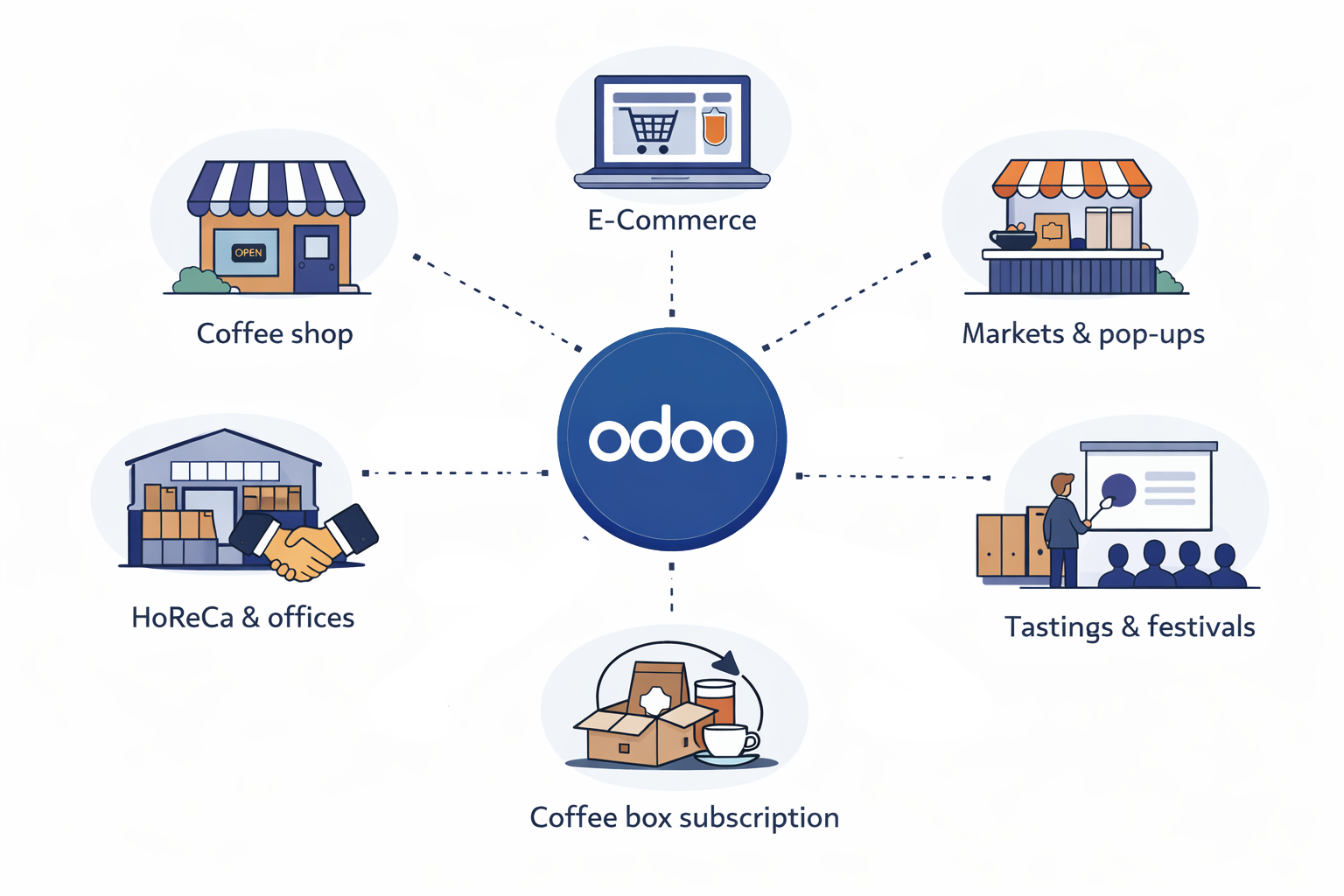
Today, a single brand can sell through:
- a physical store or tasting point,
- an e-commerce platform,
- B2B channels (cafés, restaurants, offices, hotels),
- recurring subscription models,
- events or local markets.
This multichannel model creates real opportunities to:
- strengthen brand identity,
- capture more margin,
- centralize the customer relationship,
- plan production more effectively,
- test new recipes or product ranges more easily.
But it also adds complexity: coordinating channels, managing inventory, ensuring a consistent experience, maintaining traceability, controlling margins, and handling more dynamic logistics.
👉 To stay in control while accelerating growth, a modern ERP becomes an essential pillar: it connects production, sales, e-commerce, POS, subscriptions, logistics, and customer data into one unified system.
Why coffee and beverage brands are adopting new multichannel business models
The coffee & beverage market is changing rapidly. Between shifting consumer habits, rising competition, and the search for authenticity, brands need to rethink how they sell and connect with their customers. Multichannel strategies respond directly to these new expectations.
1. Because customers want a more direct and transparent relationship
Consumers are looking for the origin of the product, the production method, the brand’s values and an experience that goes beyond a simple purchase.Multichannel allows coffee and beverage brands to tell their story, online as well as in-store, and build a much stronger connection with their customers.
2. Because direct-to-consumer sales strengthen margins and brand identity
By developing their e-commerce, stores, or pop-up formats, brands can regain control over margins, master the customer experience, activate loyalty, test limited editions or new recipes and build closer relationships with their community. It’s a strategic lever for brands that want to better control their growth.
3. Because subscriptions offer stability and predictability (without being mandatory)
In coffee, fermented beverages, or craft drinks, subscriptions work well because consumption is regular. From a business perspective, subscriptions bring: predictable revenue, better production planning and natural customer retention. But they remain only one channel among others integrated into a broader multichannel strategy.
4. Because B2B remains a key pillar in the sector
Coffee and beverage brands often sell to cafés, restaurants, offices, concept stores or retail partners. A multichannel model must therefore include a smooth and professional B2B flow, without cannibalizing direct sales.
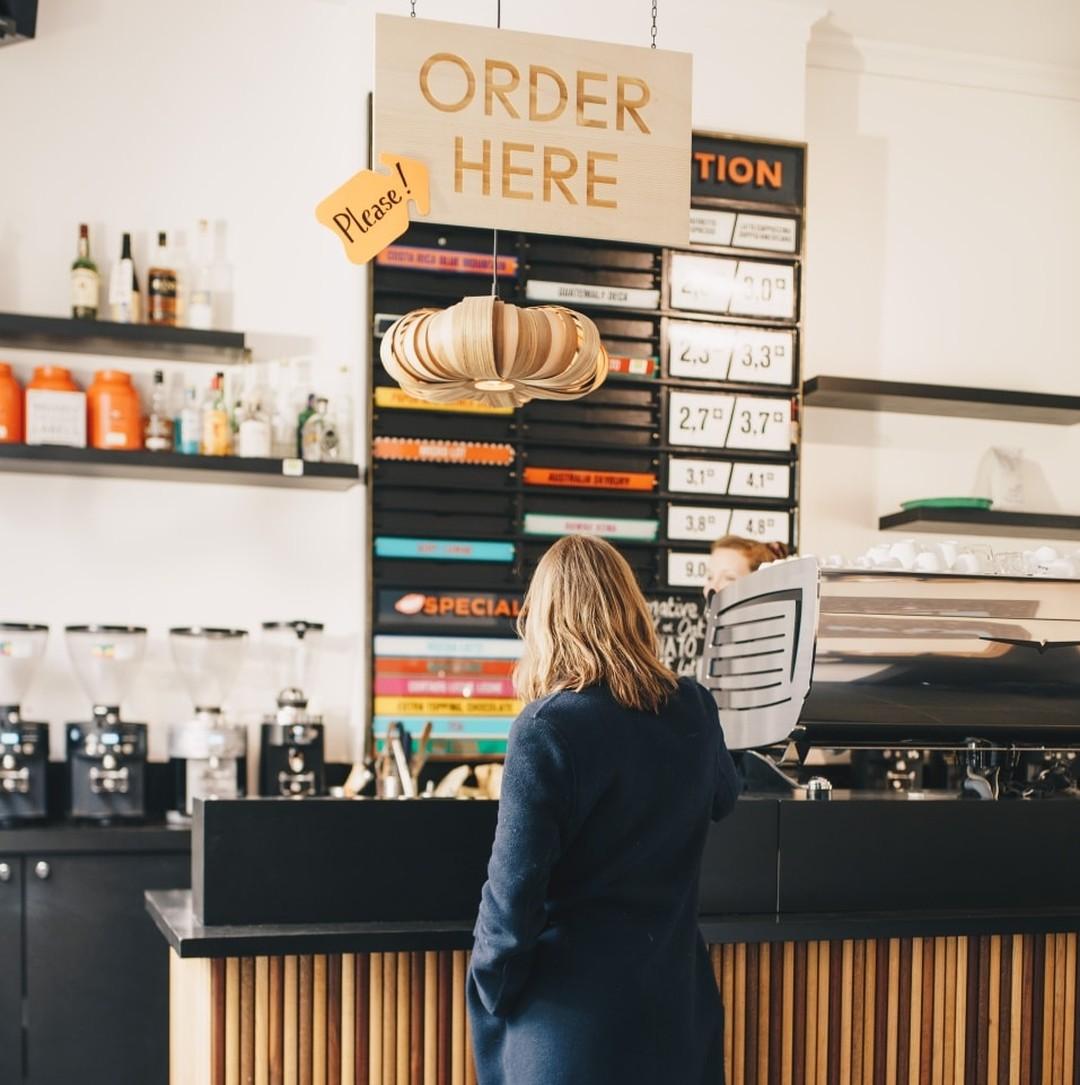
5. Because physical retail remains a major asset
Stores, corners, tasting points, or workshops: reinforce brand identity, enable sensory experiences, support cross-selling, create essential human connection. The challenge is not choosing between digital and physical — but connecting both seamlessly.
6. Because brands want to diversify their model without losing authenticity
Limited editions, collaborations, seasonal products, workshops, events, subscriptions, e-commerce, corporate gifting… Multichannel enables multiple growth levers without diluting the brand’s DNA. But to remain consistent, brands must control the entire flow, which requires a strong operational backbone.
When all these channels come together, brands gain visibility, margin, innovation capacity, and customer proximity. But they also gain complexity.
That naturally leads to the next section: the challenges of modern multichannel operations.
The challenges of modern multichannel operations for coffee and beverage brands
Moving from a traditional distribution model to a fully multichannel strategy creates new opportunities but it also introduces significant operational complexity. Coffee and beverage brands must simultaneously manage production, inventory, logistics, e-commerce, POS, B2B sales, and sometimes subscription flows. Here are the most common challenges we see in practice.
1. Coordinating multiple sales channels without losing consistency
A brand selling through physical stores, e-commerce, B2B, subscriptions, pop-up formats, or events must ensure that all these channels remain synchronized, without creating silos. Without a centralized system, teams end up juggling multiple tools and interfaces, which leads to scattered customer information, duplicated or incomplete orders, delays, and a lack of overall visibility. Multichannel only works when data flows seamlessly across every point of sale.
2. Managing inventory and production with precision
In coffee and craft beverage businesses, inventory accuracy is critical. Products often have limited freshness, traceability requirements are mandatory, lots must be carefully tracked, and production may happen in micro-batches or regular cycles. Brands frequently face recurring issues such as overproduction on certain references, stockouts on best-sellers, difficulty anticipating subscription volumes, or limited visibility on the true cost of raw materials. A high-performing multichannel model requires reliable inventory management and accurate production planning.
3. Delivering a consistent customer experience across every touchpoint
Each channel comes with its own expectations and dynamics. In-store customers expect speed, discovery, advice, and a sensory experience. Online shoppers look for inspiration, reliable availability, and efficient delivery. B2B clients require rigor, professional follow-up, and strict respect of deadlines. Subscription customers expect flexibility, simplicity, and consistency over time. Without a shared data foundation, coherence becomes nearly impossible: communication differs from one channel to another, availability promises are not fulfilled, and customers are poorly tracked.
4. Controlling margins in a context of variable costs
The sector is exposed to fluctuating raw material prices, rising transportation costs, energy increases, packaging expenses, and platform or marketplace commissions. To remain profitable, brands need to monitor margins per channel, real logistics costs, customer acquisition costs, and production costs per batch. Without an integrated tool, these calculations become approximate, making decisions far more risky.
5. Scaling growth without stacking disconnected tools
Many brands start with a collection of separate tools: Shopify or WooCommerce for online sales, a standalone POS system, an external subscription platform, a production tool, a delivery solution, Excel spreadsheets for costing, and Google Sheets for planning. This patchwork quickly creates duplicate data entry, inventory errors, operational inefficiencies, and a fragmented view of the business. To perform successfully in multichannel, brands need a single central operational foundation.
6. Connecting production, sales, and logistics into one unified flow
This is often the most difficult challenge. Roasting or production must align with real orders and demand trends, logistics must adapt to very different rhythms depending on the channel, inventory must remain accurate at all times, and planning must anticipate e-commerce, physical retail, subscriptions, and B2B simultaneously. Without a strong backbone, multichannel becomes a source of stress rather than a lever for growth.
Why an ERP like Odoo becomes the backbone of the multichannel model
To move from a business built around one primary channel to a truly coherent multichannel ecosystem, coffee and beverage brands need a strong operational foundation. That is exactly the role of an ERP: connecting the entire chain from production to customer experience.
In this context, Odoo stands out thanks to its ability to unify processes into one flexible and complete system.
1. One single source of truth across every channel
In a multichannel strategy, data must be reliable, consistent, and centralized. With Odoo, all key information is managed in one place, including customer histories, products, lot tracking, real-time stock, orders, invoicing, supplier costs, and deliveries.
The result is a true 360° view of the business, essential to maintain a consistent experience and make accurate decisions.
2. Production planned with real precision
For roasters, microbreweries, and craft beverage producers, production is at the core of the business. Odoo enables brands to align volumes with real demand across channels, avoid overproduction or stockouts, track raw material consumption, and manage lot traceability and expiration dates.
Production becomes predictive, structured, and directly connected to sales reality.
3. Seamless synchronization between e-commerce, retail, and B2B
Odoo natively connects all sales flows. The POS displays the same stock as the online store, B2B orders follow the same operational process, subscriptions automatically generate recurring sales, and products are managed through one unified catalog.
This means fewer manual re-entries, fewer unexpected breaks in availability, and a far more reliable multichannel experience.
Multichannel becomes smooth, not a patchwork of disconnected tools.
4. An integrated POS, fully connected to operations
Physical retail remains a pillar of the coffee and beverage sector. With Odoo POS, stores benefit from a synchronized catalog, omnichannel loyalty programs, real-time inventory updates, and full visibility on web or B2B orders, even across multiple locations.
The POS becomes a strategic channel, fully integrated into the broader ecosystem.
5. Subscription management automated without external tools
Even if subscriptions are not central for every brand, they remain a powerful model in this industry. Odoo makes it possible to automate recurring invoicing, payment flows, subscription changes, and production planning based on subscribed volumes.
Subscriptions become easy to operate and reliable for customers.
6. Real profitability monitoring, channel by channel
doo provides structural visibility into performance. Brands can track margins by product and by channel, measure real logistics costs, monitor cost of goods sold, analyze commercial performance, and forecast demand with confidence.
Decisions are no longer driven by intuition, but by consolidated data.
7. A scalable platform that grows with the brand
Instead of stacking disconnected tools over time, Odoo replaces multiple systems with one coherent platform covering e-commerce, POS, subscriptions, production planning, B2B invoicing, and logistics management.
One evolving backbone, easier to maintain, more consistent, and more profitable in the long run.
How direct channels strengthen profitability and customer relationships
Developing direct channels e-commerce, retail stores, pop-ups, POS, subscriptions, and recurring B2B orders has become a key priority for coffee and beverage brands. This model allows them to better control the customer experience, margins, data ownership, and client relationships, while reinforcing their brand identity.
Here is how these channels contribute to overall performance:
1. E-commerce: protecting margins and reclaiming the customer relationship
More and more coffee and beverage brands are investing in online sales. The goal is no longer just to sell products, but to fully control the brand experience and reconnect directly with customers. A strong e-commerce channel allows brands to:
- manage pricing more strategically,
- regain customer data,
- create a complete brand experience,
- test new recipes or limited editions,
- offer personalized journeys (discovery packs, grind options, origins, intensity…).
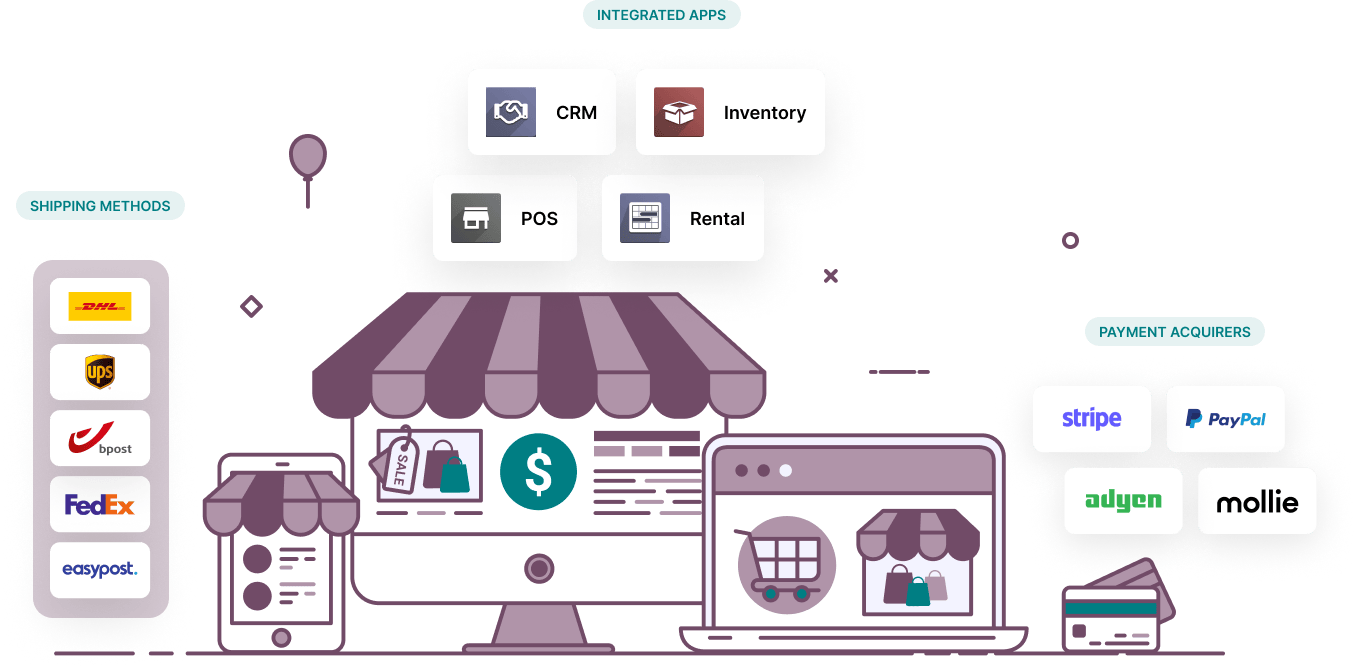
When e-commerce is fully integrated into Odoo, brands benefit from real-time stock visibility, coherent logistics flows, a smoother customer experience, and precise sales and behavior analysis. The website becomes a high-margin strategic channel that continuously strengthens customer knowledge.
2. POS: a pillar of sensory experience and cross-selling
Physical retail has never lost its value in this sector. In-store channels remain essential for tasting, product discovery, storytelling, and multisensory brand engagement.
With an Odoo-connected POS, stores become a fully integrated strategic channel, with synchronized inventory, omnichannel loyalty programs, fast checkout, and full visibility into web or subscription orders — even across multiple locations. The physical store reinforces brand identity and perfectly complements e-commerce.
3. Subscriptions: predictability and loyalty (but not mandatory)
Subscriptions are not the main focus for every brand, but in coffee and craft beverages, they often feel like a natural extension of consumption habits.
For brands, subscriptions bring stability, higher customer lifetime value, stronger retention, and better production forecasting. For customers, they offer freshness, simplicity, personalization, and ongoing discovery.
With Odoo, subscription operations become seamless: production aligns automatically with subscribed volumes, invoicing is automated, and recurring orders are generated without manual effort. A simple, profitable, and smooth channel to operate.
4. B2B: an essential segment to integrate into multichannel operations
B2B remains a major pillar for many coffee and beverage brands, serving cafés, restaurants, offices, hotels, concept stores, distributors, and retail partners.
The challenge is balancing high volumes, strict deadlines, professional invoicing, adapted logistics, and consistent stock availability across both B2B and direct-to-consumer sales.
Odoo structures B2B flows through recurring orders, contract-based pricing, automated invoicing, clear visibility for sales teams, and unified offline/online sales management. Multichannel truly works when POS, web, and B2B all rely on the same operational foundation.
5. When every channel is unified, brand identity becomes stronger
By combining e-commerce, physical retail, subscriptions, events, and B2B, coffee and beverage brands can build a business model that is more resilient, more authentic, and easier to scale.
What we consistently observe is: a stronger identity, deeper customer relationships, more diversified revenue streams, better production control, improved margin management, and a seamless experience across every touchpoint. Value does not come from multiplying channels. It comes from making them coherent. And that coherence is built on an ERP backbone.
Use cases: how coffee and beverage brands optimize their multichannel model with Odoo
Several brands in the sector have already structured their multichannel operations thanks to a modern ERP.
Here is how they use Odoo to connect production, e-commerce, POS, B2B, and logistics, while preserving their artisanal identity.
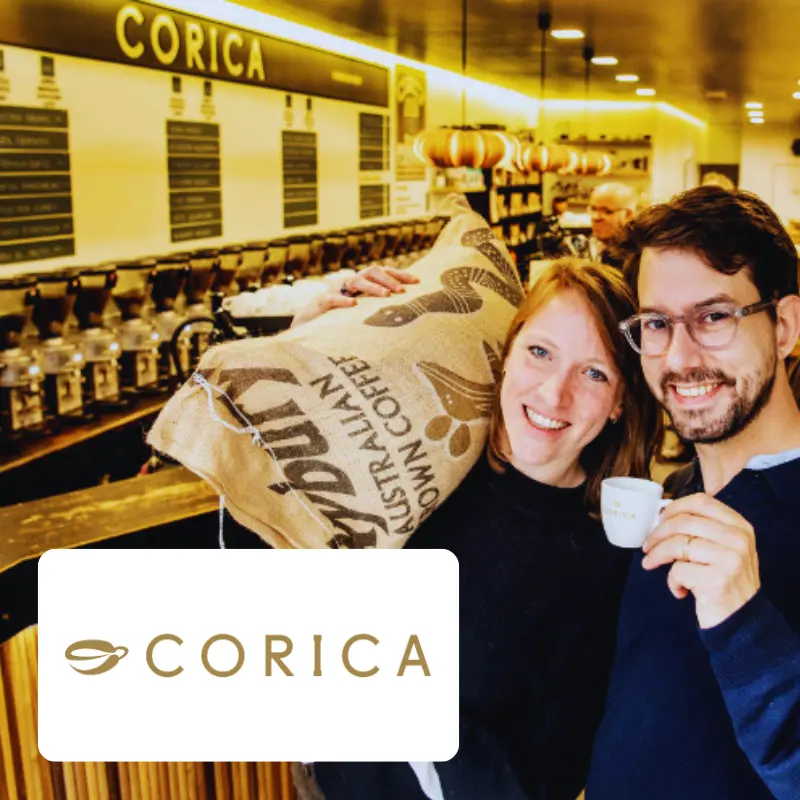
Corica: unifying physical retail, e-commerce, B2B, and roasting
Corica is a well-established coffee house with a strong artisanal heritage. As the brand grew, it multiplied its customer touchpoints through stores, professional sales, e-commerce, workshops, and events.
With Odoo, they are now able to:
- centralize all orders within a single system,
- synchronize inventory in real time,
- plan roasting based on actual demand,
- track lots and ensure full traceability,
- automate invoicing and logistics processes.
👉 The result: stronger consistency across channels, better internal visibility, and the ability to scale without losing their DNA. Read the full Corica success story
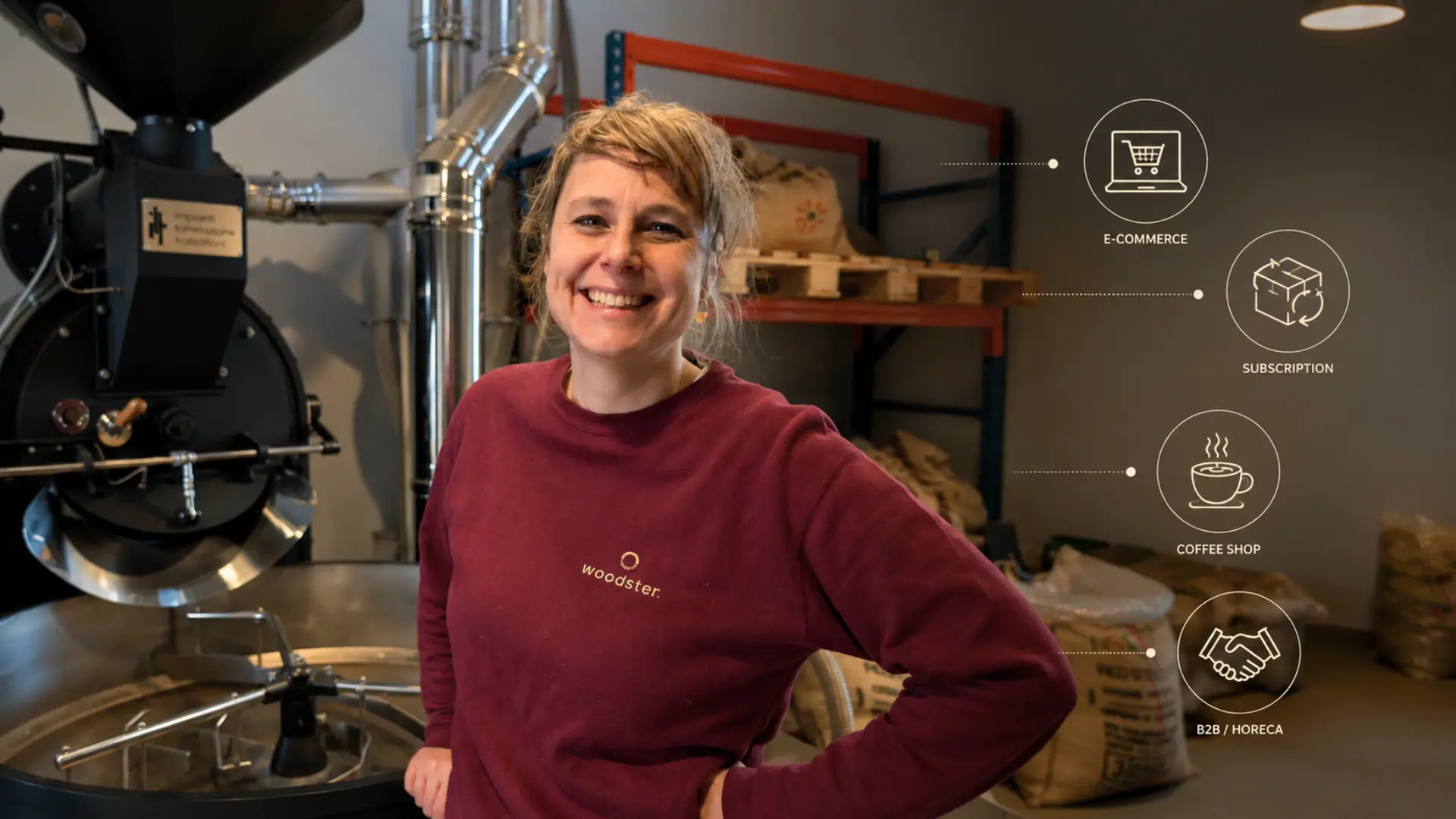
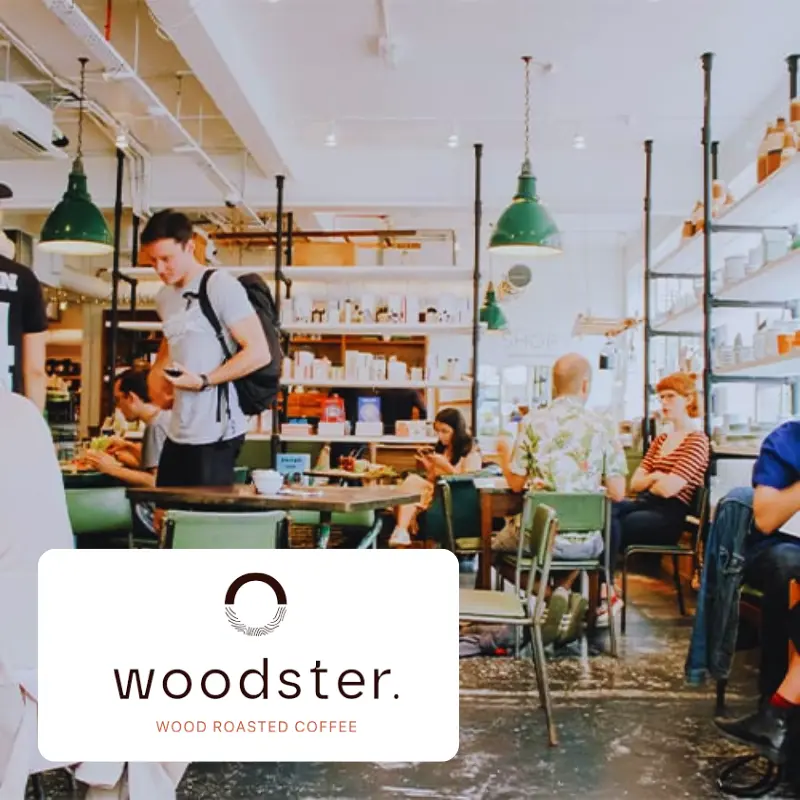
Woodster: bringing structure to artisanal coffee roasting
Woodster is an artisan coffee roaster with a distinctive approach: coffee roasted over a wood fire. As the business grew, managing operations through Excel made it difficult to track inventory, raw materials, and production losses with accuracy.
With Odoo, and through Eezee’s consulting-driven approach, Woodster was able to:
- structure manufacturing flows adapted to coffee roasting,
- align inventory, production, and sales in one coherent system,
- ensure reliable stock tracking across bulk and packaged products,
- prepare a scalable foundation for future e-commerce integration.
👉 The result: stronger operational visibility and a clean ERP backbone that supports growth without losing the brand’s artisanal identity. Read the full Woodster success story
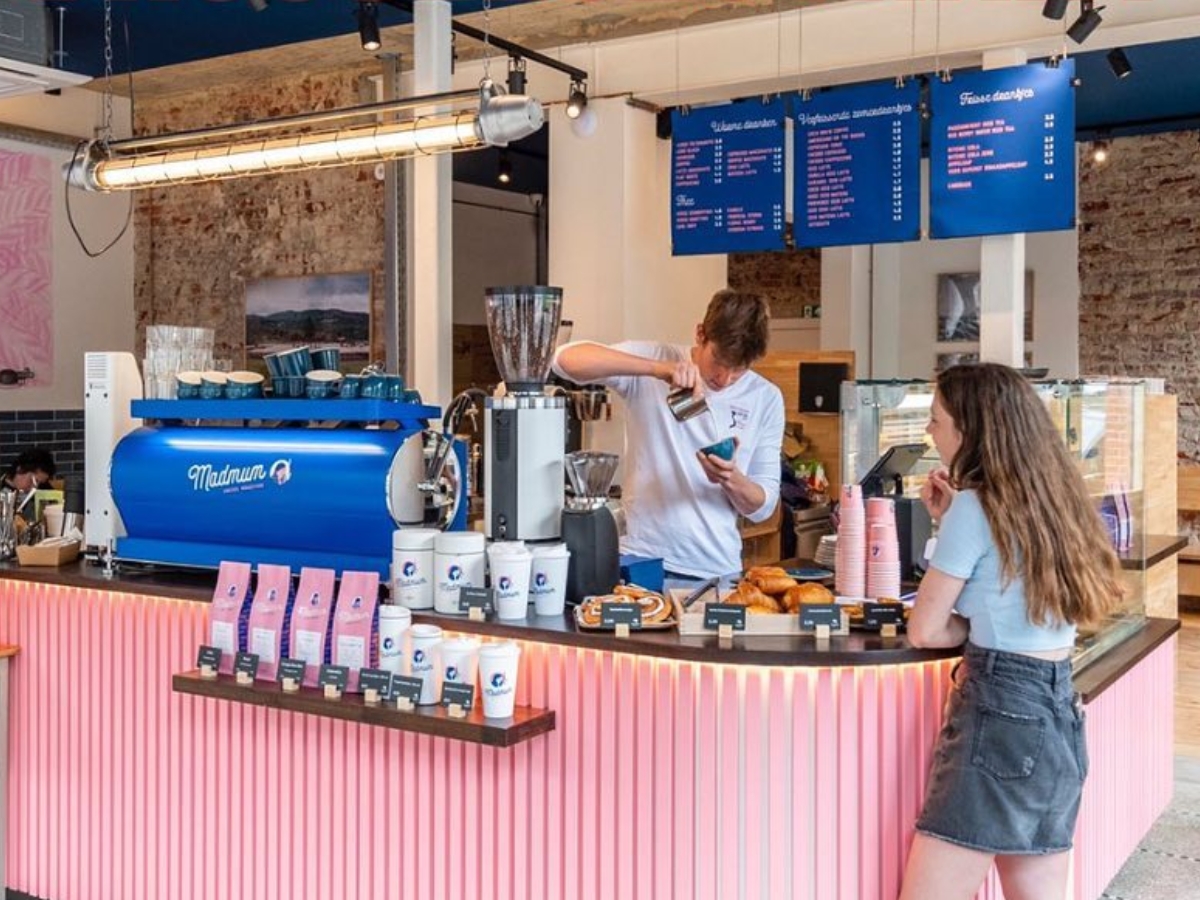
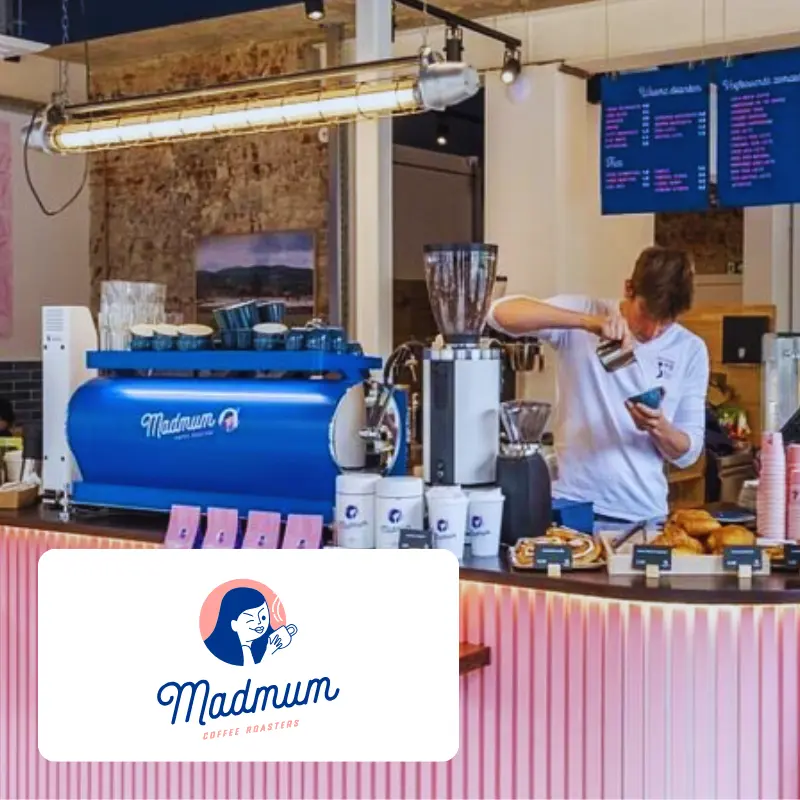
Madmum Coffee Roasters: scaling an artisanal model without losing quality
Madmum is experiencing rapid growth while maintaining a strong commitment to quality. Their main challenge has been structuring processes to support increasing volumes without multiplying disconnected tools.
With Odoo, they can:
- manage their full product range within a single catalog,
- plan production based on actual sales,
- synchronize web, B2B, and internal sales flows,
- handle inventory and product variants reliably.
👉 The ERP becomes a direct enabler of growth, without adding complexity to daily operations.
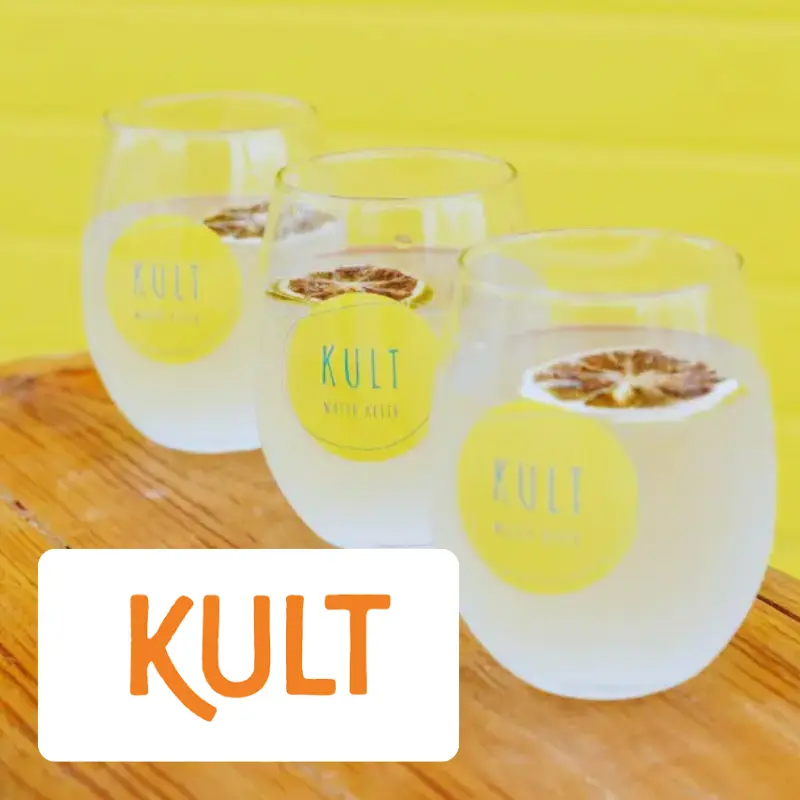
Kult Kefir: managing a living product through micro-batch production
Kult Kefir produces fermented beverages, which requires strict lot tracking and critical date management. Their model combines direct sales with a local distribution network.
With Odoo:
- each batch is fully traced,
- expiration dates are monitored automatically,
- production is planned according to demand,
- deliveries are organized with precision,
- direct and indirect sales are consolidated.
👉 The brand can ensure compliance while streamlining day-to-day operations.

This article is part of our Odoo ERP expertise for the food industry.
Discover how we support food businesses on our Solutions page.
Discover our Food & Beverage Solution
From product to experience: How coffee and beverage brands adopt the multichannel model to strengthen their identity