
As of 1 January 2027, working time registration is expected to become mandatory for all Belgian employers. On paper, it is yet another legal requirement. In practice, however, it is an opportunity to replace Excel spreadsheets, emails saying “I worked two extra hours on Tuesday”, and schedules that never quite reflect reality.
The legislation has not yet been passed, but the expected requirements are already known. Employers will need an objective, reliable and accessible system that records the actual working time of each employee. No specific tool is required. In other words, every company is free to choose a solution that fits the way it operates.
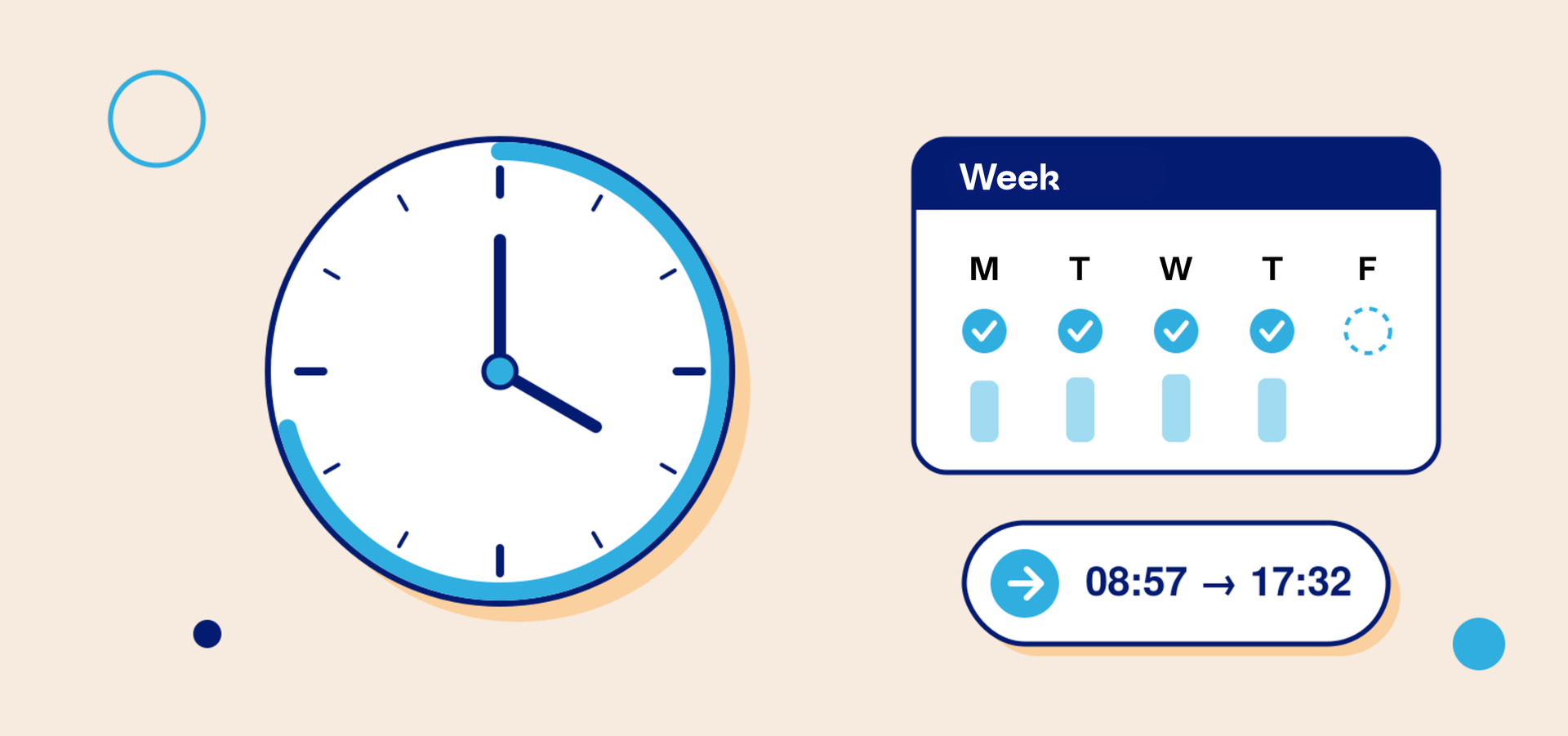
What works and what doesn't
The question to ask is simple: does your current system allow you to know, day by day, how much time each employee has actually worked? If so, you're on the right track.
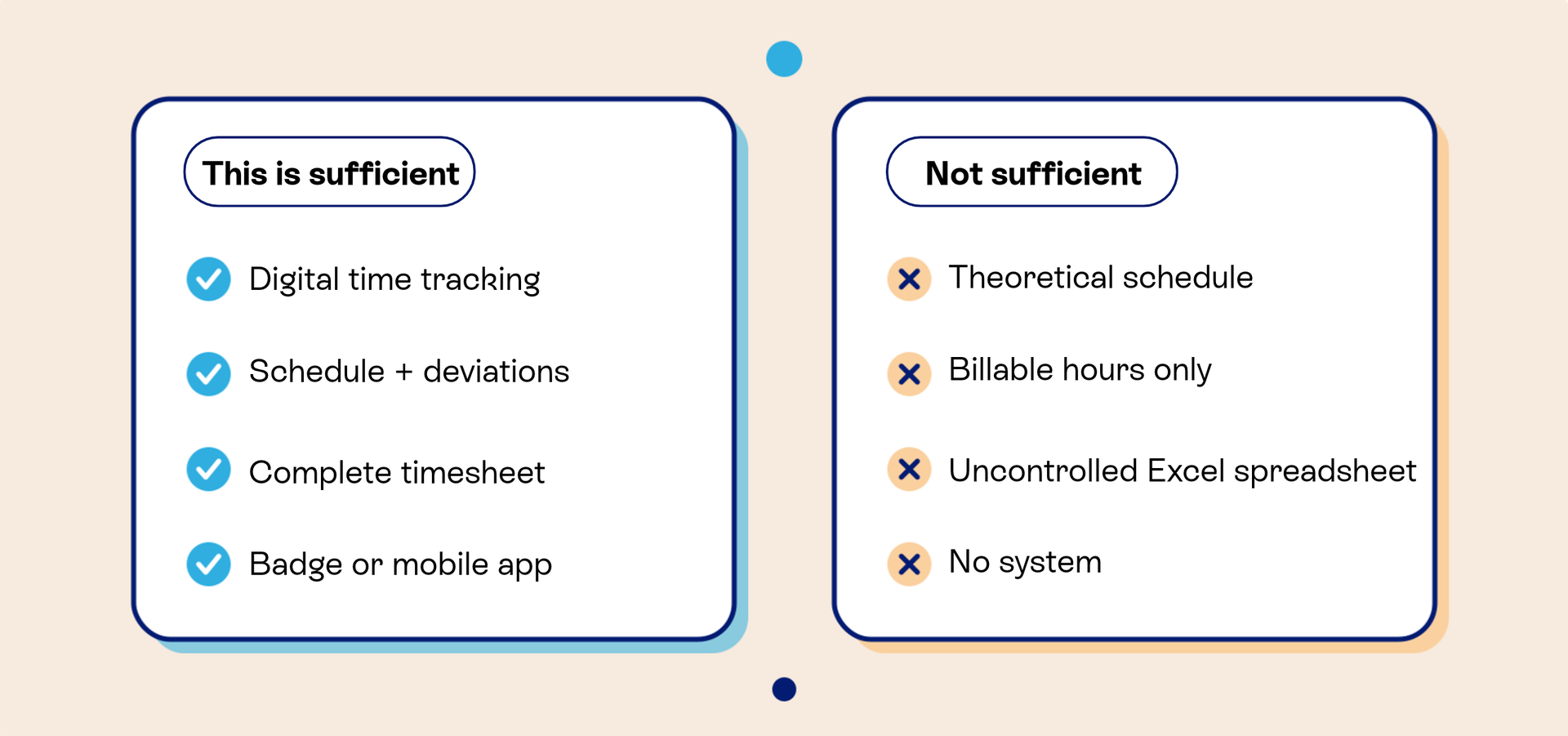
First piece of good news: traditional time clocks are not mandatory. Digital clocking through software, a mobile app or a badge system fully meets the expected requirements, as it generates a dated, individual record that employees can access.
However, several common practices will not be sufficient. A theoretical schedule without any tracking of actual hours only reflects what was planned. Partial tracking, limited to billable hours or time spent on a construction site or at a client's premises, only accounts for part of the working day.
An Excel spreadsheet or paper timesheet that anyone can edit afterwards without any form of control is a potential liability. Its reliability could be challenged during an inspection or in the event of a dispute. As for having no system at all, this leaves employers with no evidence to defend themselves if an employee claims unpaid overtime.
In short: the law does not require employees to clock in and out every minute. It requires reliable, accessible data that cannot be altered retrospectively without leaving a trace.
What about Timesheets?
Many companies already track working hours using timesheets. Good news: this can be sufficient, provided four conditions are met.
First, all working time must be recorded, not just billable hours. Internal meetings, training, administrative tasks and travel time must also be included. Second, entries must be made daily and individually, as a weekly total entered on Friday is still difficult to verify. Data must also be reliable: any retrospective changes must leave a trace or go through an approval process. Finally, every employee must be able to access their own records.
One important distinction: timesheets generally record durations rather than actual start and end times. The draft legislation allows this, but recording durations alone does not make it possible to verify the required 11-hour rest period between two working days. For teams working late or irregular hours, adding an attendance tracking system makes the overall setup considerably more robust.
Odoo already has the Right Tools
Good news for companies already using Odoo: everything you need is already available. The main task is to activate and configure the right features.
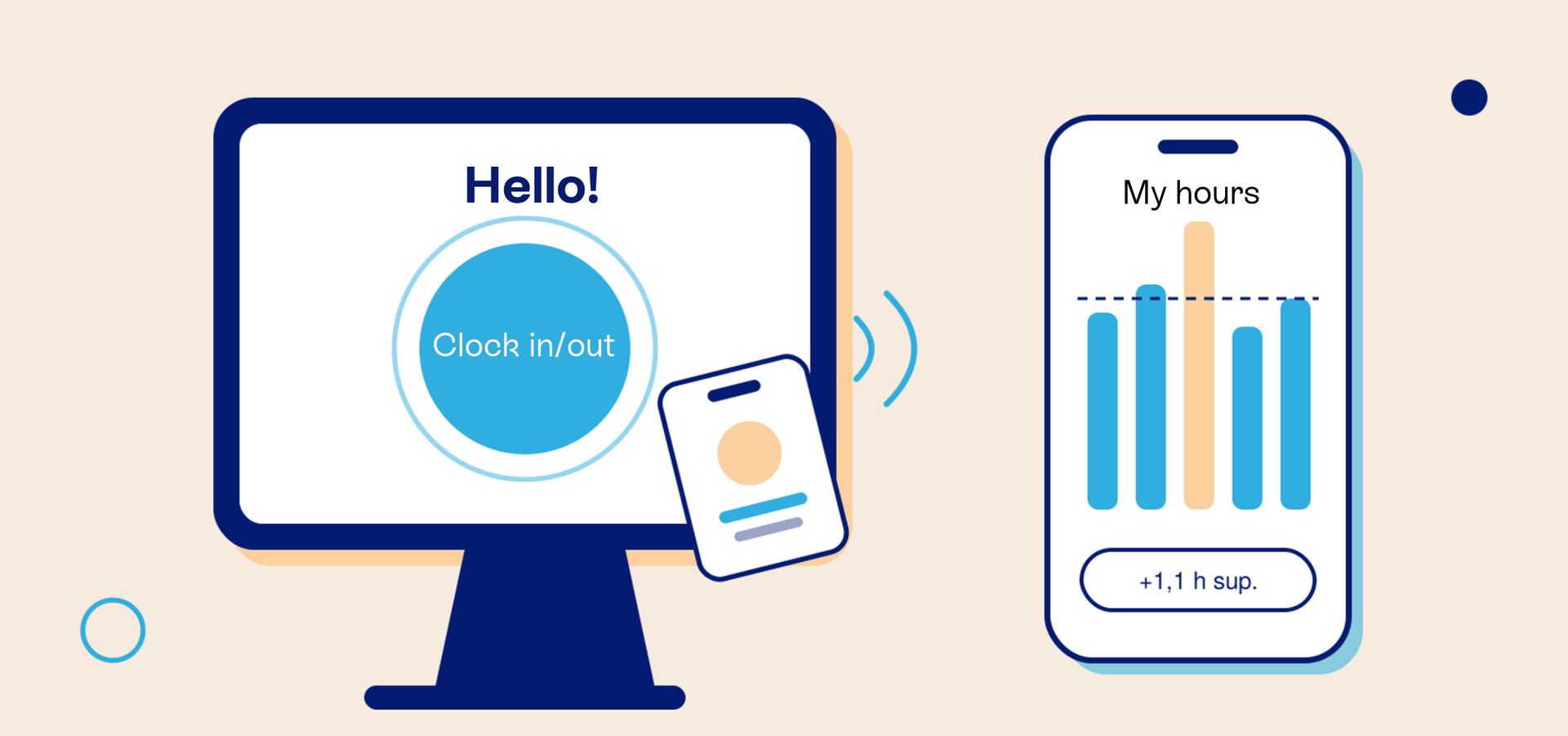
It all starts with frictionless clocking. The Attendances app allows employees to clock in and out from their computer, smartphone or a tablet set up in kiosk mode at the entrance. They can use a badge, PIN code or simply select their name. Everyone can use the method that best suits their role, whether they work in the office or out in the field.
Once working hours have been recorded, Odoo compares them with the planned schedule and automatically calculates overtime, based on configurable tolerance rules. These extra hours can then be converted into time off. Any anomalies are flagged automatically: a clock-in without a clock-out, or an unusually long working day, is highlighted in red, allowing the manager to step in and make the necessary corrections.
The real advantage is that everything works together. Attendances, Timesheets, Planning and Time Off all share the same data. This makes it easy to compare actual attendance time with the time allocated to projects. Reports can be generated by team, period or employee and exported in just one click, whether for an inspection, a dispute or simply to manage workloads more effectively.
Geolocation is also available for mobile teams. However, it requires employee consent and careful consideration of GDPR requirements. It is an option, not an obligation.
The tool is only part of the solution
A poorly configured time tracking tool can create more friction than it solves. The most important questions are rarely technical. Who needs to clock in and who may be exempt? Should employees clock in every time they arrive, or simply record deviations from their scheduled hours? What does the company's work regulations specify? Who has access to the data?
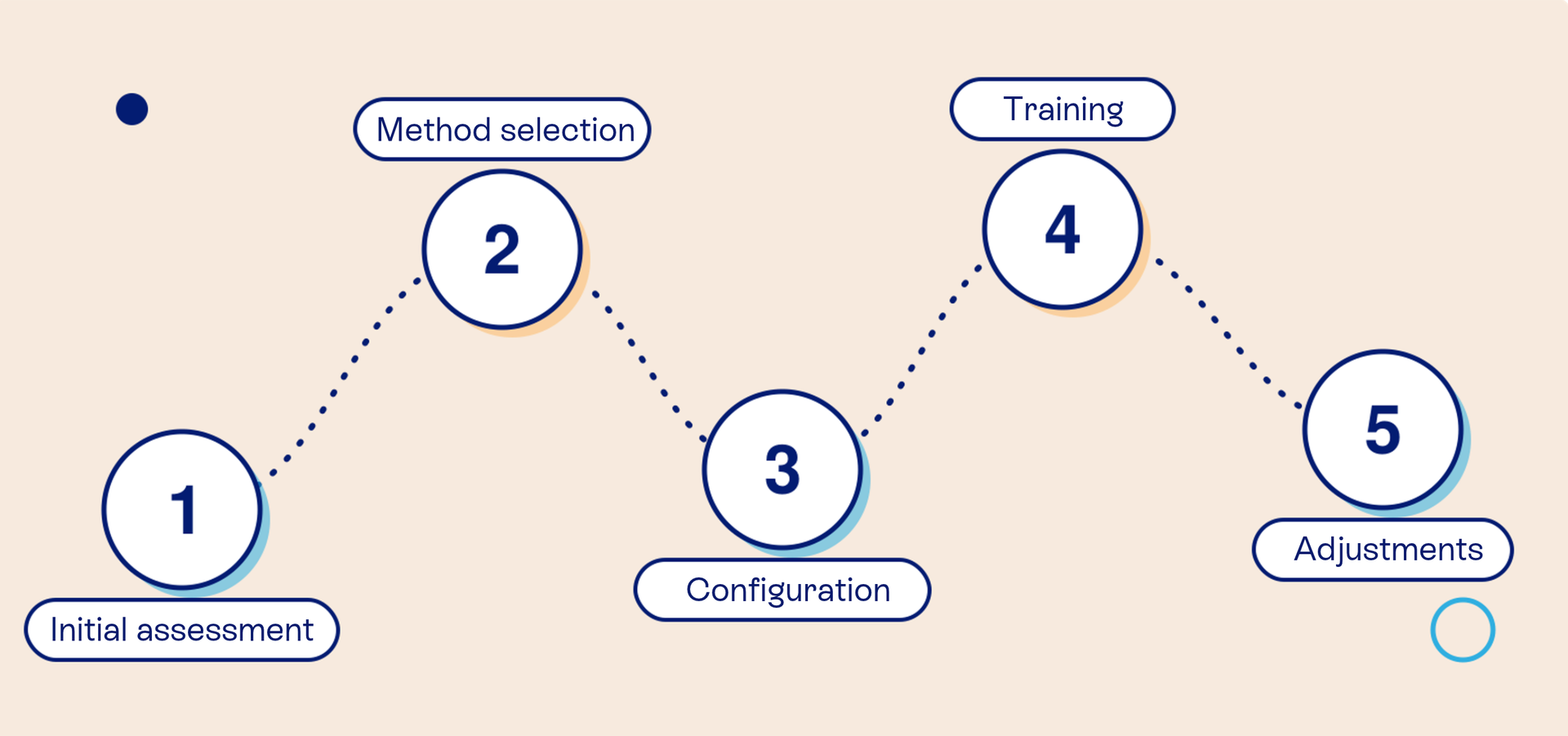
This is where a partner like Eezee-it comes in.
The process starts with an assessment of how working hours are currently tracked across each team. Based on this analysis, the most suitable approach is selected for each employee profile. This could involve full clock-in and clock-out tracking, scheduled hours combined with the recording of deviations, or a combination of both.
Next comes the Odoo configuration: working schedules, overtime rules, tolerance thresholds, access rights, and integration with time off and payroll. Training employees and managers is just as important, ensuring that time tracking becomes a matter of a few seconds rather than a daily chore. Finally, the configuration can be fine-tuned after launch, particularly once the final legislation has been published in the Belgian Official Gazette.
What's Next?
There are just over two months left before 1 January 2027, with a transitional tolerance period expected to run until 31 March. That should be enough time to get things right, provided you start now rather than waiting until the last minute.
The best first step is simple: take an honest look at how your company currently tracks working hours. If the answer is “a bit of everything”, this new requirement is an opportunity to bring everything together in one place. It will make things clearer for the company and more transparent for employees.
Want to discuss it? Eezee-it's consultants can review your existing Odoo setup with you and identify what is already in place and what still needs to be activated.
The legal framework described in this article is based on the draft legislation available in October 2026. It may still be subject to change.

Sources:
Legal Source
Start writing here...
Working Time Registration: What If It Were Actually Good News?